
My First Year Building With AI: What Actually Changed
This article is part of the Working With AI series on MediaCrush.
When I first began experimenting with artificial intelligence, and building with AI I didn’t have a master plan. Like many people, I was curious. I had read the headlines and watched the early demonstrations, and I sensed that something meaningful was happening in the world of technology.
But curiosity and clarity are two different things.
Over the past year I’ve moved from curiosity to experimentation, from experimentation to overload, and eventually toward something more useful: a practical working rhythm with AI.
The journey hasn’t been about replacing human thinking. It has been about discovering what happens when a person with ideas, experience, and patience begins collaborating with a new kind of tool.
Looking back now, several stages stand out.
Stage One: Curiosity
At the beginning, artificial intelligence felt almost like a conversation with a very well-read assistant. You could ask questions, explore ideas, and receive thoughtful responses in seconds.
The novelty was obvious.
But the real question wasn’t what AI could say. The question was whether it could actually help build something meaningful.
Like many early users, I began by experimenting: asking questions, testing ideas, exploring possibilities.
At that stage, the technology was interesting — but its real value wasn’t yet clear.
Stage Two: Experimentation: Building with AI
The next phase involved trying to apply AI to real work.
Writing. Planning. Organizing ideas. Structuring projects.
Some things worked surprisingly well. Other attempts felt clumsy or forced. The tool was powerful, but using it effectively required learning how to ask better questions and how to guide the process.
That realization changed the experience.
AI wasn’t something that simply produced answers. It was something that responded to direction.
The better the direction, the better the results.
Stage Three: Overload
Like many new technologies, AI can quickly create information overload.
Ideas multiply. Possibilities expand. Projects begin to stack up faster than they can be completed.
This stage is where many people lose momentum.
The challenge becomes less about what AI can do and more about how to stay focused.
For me, the turning point came when I stopped chasing every idea and began building systems instead.
Stage Four: Systems
The real breakthrough came when AI moved from being a curiosity to becoming part of a structured workflow.
Instead of asking random questions, I began using AI to help organize projects in a consistent way build.
For example, one of the projects currently underway is the Vermont Visitors Guide — a travel resource built through a careful process of regional clusters, town guides, and connected experiences.
AI helped plan the structure, outline content, and organize the connections between posts.
But the vision, decisions, and direction remained human.
That combination turned AI from a novelty into a practical collaborator.
Stage Five: Rhythm
Eventually something interesting happened.
The process began to feel natural.
Instead of constantly experimenting with the technology itself, the focus shifted back to the work: building projects, writing articles, organizing information, and refining ideas.
AI became part of the workshop rather than the subject of the work.
That rhythm — human judgment paired with AI assistance — is where the real value began to appear.
What AI Actually Changed
After a year of experimentation, the biggest change isn’t speed or automation.
The real change is collaboration.
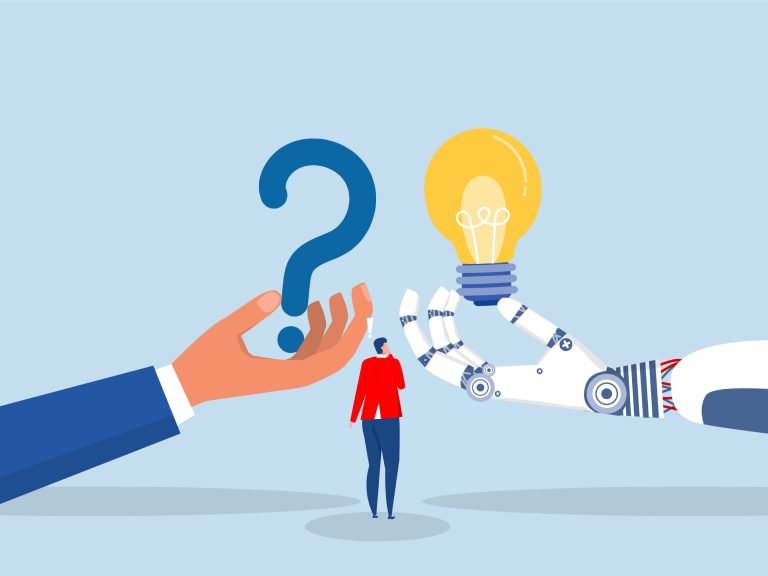
Artificial intelligence works best when it is treated not as a replacement for human thinking but as a partner in the creative process.
It can help organize ideas, test possibilities, and accelerate research. But it still depends on human direction and curiosity.
When those elements work together, the result can be surprisingly productive.
Reflections on Building With AI
Here’s a helpful article on how to best work with AI for building networks:
Working With AI: A Practical Guide for Builders
Where This Is Going
Artificial intelligence is still in its early stages. The ways people use it will continue to evolve as tools improve and new ideas emerge.
For independent builders, creators, and small businesses, the opportunity is not to wait until everything is perfected.
The opportunity is to experiment.
To learn.
To build.
That’s the spirit behind the articles in the Working With AI section here on MediaCrush. They are not meant to present AI as a finished system, but rather as an evolving partnership between people and technology.
And if the past year has taught me anything, it’s this:
The best way to understand AI isn’t to watch from a distance.
It’s to jump right in and start building.
FAQ
No. AI works best as a collaborator that helps organize ideas, research information, and explore possibilities. Human judgment, experience, and creativity still guide the final decisions.
Not necessarily. Many modern AI tools are conversational and easy to experiment with. The most important skill is curiosity and the willingness to explore how the technology can support your existing work.
Start with a small project or problem you’re already working on. Ask questions, test ideas, and treat AI as a thinking partner rather than expecting perfect answers immediately.
Yes. AI can assist with research, writing, planning, and organization — tasks that often take significant time for small teams or individual builders.